
Fire Services
Dial 9-1-1 for a Fire – Police – Ambulance Emergency.
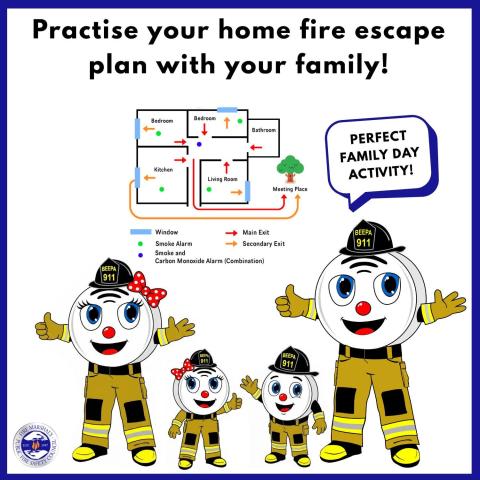
North Stormont Fire and Rescue has approximately 80 volunteer firefighters led by Fire Chief Nancy-Ann Gauthier. In addition to firefighting and life-saving services, the department's focus is on fire prevention, providing fire inspection, and fire education programs in our community.
The department has four Fire Stations including:
- Finch- Station- 11 John Street, Finch, ON K0C 1K0
- Crysler-Station - 18 Second Street, Crysler, ON K0A 1R0
- Avonmore-Station - 16307 County Road 43, Avonmore, ON K0C 1C0
- Moose Creek-Station - 60 Sabourin, Moose Creek, ON K0C 1W0
The Township utilizes a fire prevention officer to provide information to the public about fire safety and preventing fires. For more information on having the fire prevention officer attend an event for educational purposes, please contact the Township’s Office or the Fire Chief.
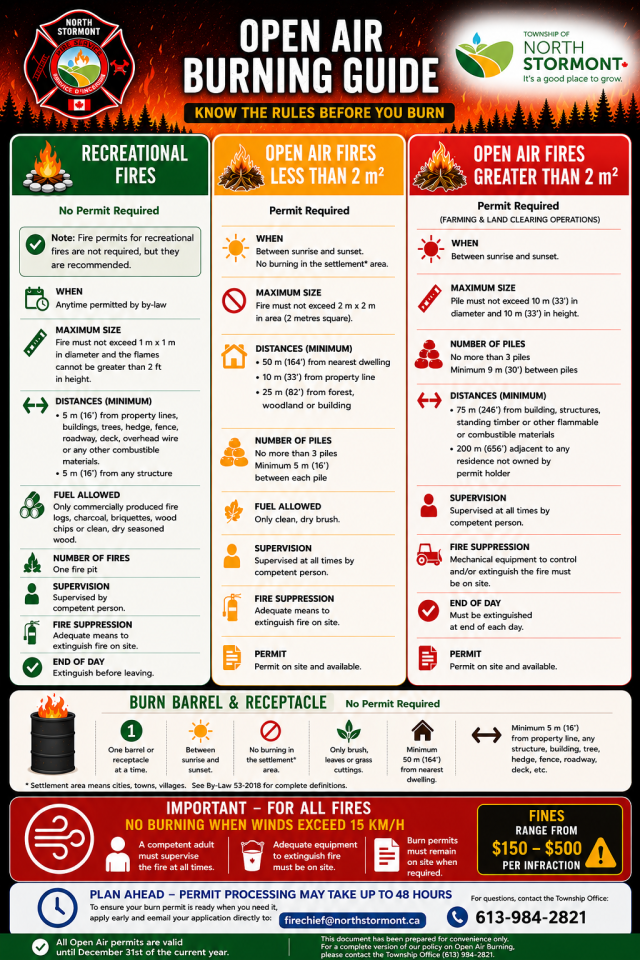
By-Law No. 36-2026 establishes the rules and regulations for property owners to have open air fires. In order to have an open air fire on your property, you must obtain a permit from the Township. Recreational fires that are under 1 square metre do not require an Open Air Permit, however are still required to meet setbacks as established in the By-law. Please contact Nancy-Ann Gauthier, Fire Chief for further information or to obtain an Open Air Permit.
Fire Services Bylaws
- Open Air Municipal Permit (PDF)
- Open Air Burning By-Law No. 36-2026
- Download a copy of the Open Air Burning Guide Infographic
- 3. Fireworks By-Law 53-2025
- Download a copy of the Fireworks Bylaw Infographic
- Image
Fire Prevention Starts With You
Everyone has a responsibility to keep their families and homes safe from fire. The best ways to ensure fire safety include:
- Image
- Prevent fires from starting;
- Maintain working smoke and carbon monoxide (CO) alarms in your home and outside all sleeping areas
plan and practice a home fire escape plan so everyone in the home knows exactly what to do should the smoke alarms sound in an emergency; - Consider installing residential sprinklers when building a new home or doing extensive renovations;
Here are fire safety tips and information to keep your loved ones and valued possessions safe from fire and carbon monoxide.
If a fire occurred in your home tonight, would your family be able to get out safely? It is important that everyone know what to do and where to go when the smoke alarm sounds. Take a few minutes to make a home fire escape plan, by following these steps.
Image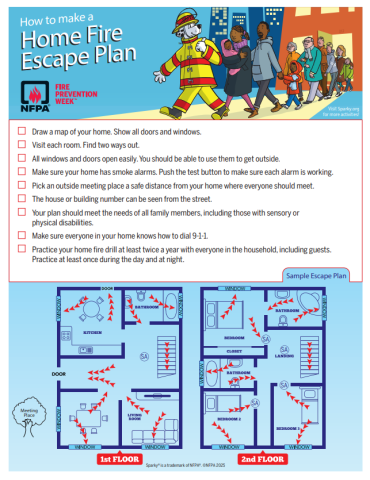
1. Draw a floor plan of your home
Draw a plan for each level of your home.
2. Include all possible emergency exits
Draw in all doors, windows and stairways. This will show you and your family all possible escape routes at a glance. Include any features, such as the roof of a garage or porch, that would help in your escape.
3. Show two ways out of every room, if possible
The door will be the main exit from each room. However, if the door is blocked by smoke or fire, choose an alternate escape route, which could be a window. Make sure that all windows can open easily and that everyone knows how to escape through them to safety. If windows have security bars, make sure they have a quick release.
4. Identify anyone who needs help to escape
Decide in advance who will help the very young, older adults or people with disabilities in your household. A few minutes of planning will save valuable seconds in a real emergency.
5. Choose a meeting place outside
Choose a meeting place a safe distance from your home that everyone will remember, for example:
- a tree;
- a street light;
- a neighbour’s home;
- In case of fire, everyone will go directly to this meeting place so they can be accounted for.
6. Call the fire department from outside your home
Don’t waste valuable seconds calling the fire department from inside your home. Once you have safely escaped, call the fire department from a cell phone or neighbour’s home.
7. Practice your escape
Review the plan with everyone in your household. Walk through the escape routes for each room with the entire family. Use this walk-through exercise to check your escape routes, making sure all exits are practical and easy to use. Hold a fire drill twice a year and time how long it takes. In a real fire, you must react without hesitation as your escape routes may be quickly blocked by smoke or flames.
- Image
Most fatal fires occur at night when people are asleep. Often, victims never wake up. Working smoke alarms give you the precious time you need to escape a fire. By law, every home in Ontario must have a working smoke alarm on every storey and outside all sleeping areas.
Responsibility for installation
Homeowners
It is the homeowner’s responsibility to install and maintain smoke alarms on every storey of their home and outside sleeping areas.Landlords
It is the landlord’s responsibility to ensure their rental properties comply with the law.Tenants
If you are a tenant of a rental property and do not have the required number of smoke alarms, contact your landlord immediately. It is against the law for tenants to remove the batteries or tamper with the alarm in any way.Failure to comply with the Fire Code smoke alarm requirements can result in a $360 ticket or fine of up to $50,000 for individuals or $100,000 for corporations.
Choose the right alarms
Smoke alarms are available with different features and applications, so choosing the right alarm can be confusing. Some of the features to consider include:
Power source
Smoke alarms can be powered electrically, by batteries or both. If you are installing an electrically powered alarm, we recommend that it have a battery backup in case of power failures.Technology
Most smoke alarms employ either ionization or photo-electric technology. Ionization alarms may respond slightly faster to flaming-type fires. Photo-electric alarms may be quicker at detecting slow, smouldering fires. Consider having both types of alarms in your home. When purchasing smoke alarms, make sure they have the logo of a recognized standards testing agency, such as CSA or ULC, to ensure they meet Canadian performance standards.Pause feature
Smoke alarms with a pause button are highly recommended. The pause feature permits the alarm to be temporarily silenced without disconnecting the power source.Install in the proper locations
Smoke alarms must be installed on each storey of the home and outside sleeping areas. Because smoke rises, smoke alarms should be installed on the ceiling. If this is not possible, install the alarm high up on a wall. Always follow the manufacturer’s instructions when installing smoke alarms.Avoid putting smoke alarms too close to:
- bathrooms;
- windows;
- ceiling fans;
- heating and cooking appliances;
- Maintain your smoke alarms;
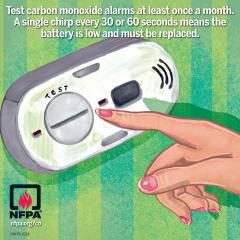
- Test smoke alarms monthly;
- Test your smoke alarms every month by using the test button on the alarm. When the test button is pressed, the alarm should sound. If it fails to sound, make sure that the battery is installed correctly or install a new battery. If the alarm still fails to sound, replace the smoke alarm with a new one.
Change the batteries at least once a year
Install a new battery at least once a year, or as recommended by the manufacturer. Install a new battery if the low-battery warning sounds or if the alarm fails to sound when tested.Vacuum alarms annually
Dust can clog your smoke alarms. Battery-powered smoke alarms should be cleaned by opening the cover of the alarm and gently vacuuming the inside with a soft bristle brush.For electrically connected smoke alarms, first shut off the power to the unit, and then gently vacuum the outside vents of the alarm only. Turn the power back on and test the alarm.
Replace older smoke alarms
All smoke alarms wear out. Replace them every 10 years according to the manufacturer’s instructions. Steam from the shower, oven, stove or toaster can cause smoke alarms to activate. If these types of nuisance alarms occur, do not remove the battery. To reduce nuisance alarms:
- relocate the alarm, moving the alarm a short distance can make the difference;
- install a smoke alarm with a pause button that will allow you to temporarily silence the alarm;
- replace alarms located near kitchens with photo-electric types
The best way to stay fire safe is to prevent fires from starting. Here are some tips to help address some of the leading causes of home fires in Ontario.
Cooking safety
Image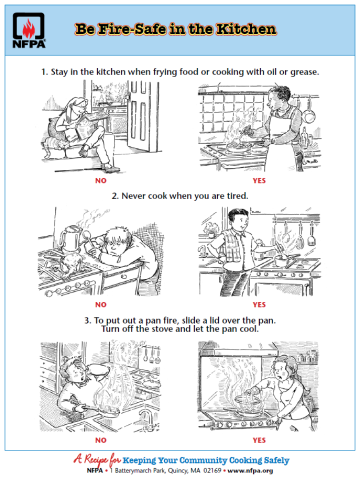
Unattended cooking is a leading cause of home fires in Ontario. To prevent cooking fires:
- be alert – do not cook if you:
- are sleepy;
- have consumed alcohol, drugs or medicine that makes you drowsy;
- always stay in the kitchen while cooking and turn off the stove if you must leave keep anything that burns a safe distance from the stove, including:
- oven mitts;
- cooking utensils;
- dishcloths;
- paper towels; potholders;
- keep a proper-fitting pot lid near the stove when cooking so you can slide the lid over the pot and turn off the stove if the pot catches fire. Do not move the pot until it has cooled completely;
- wear short or tight sleeves or roll sleeves up when cooking, to avoid loose-fitting clothes from catching fire on stove burners
A lesson on Cooking Fire Safety by "Dan Dufus" a video by the NFPA
Smoking safetySmoking is the number one cause of fatal home fires in Ontario. Alcohol is a factor in many smoking-related fires. To prevent smoking fires:
- be alert when smoking – you will not be alert if you are sleepy or have consumed alcohol, drugs or medicine that makes you drowsy;
- never smoke in bed;
- encourage smokers to smoke outside, including outside the garage;
- check behind chair and sofa cushions for cigarette butts before going to bed if people have been smoking in your home;
- use large, deep ashtrays that cannot be knocked over;
- empty ashes into a metal container, not a garbage can, and keep it outside;
- do not extinguish cigarettes in plant pots, which may contain a mixture of peat moss, shredded wood and bark that can easily ignite
Electrical safety
Electrical equipment is a leading cause of home fires in Ontario. To prevent electrical fires:- avoid running cords under rugs which can damage the cord and cause a fire;
- avoid overloading a circuit. If additional outlets or circuits are required, have them installed by a licensed electrician
use extension cords only as a temporary connection, if permanent wiring is required, have additional outlets installed by a licensed electrician; - do not link extension cords together, use an extension cord that is long enough;
- plug air conditioners and other heavy appliances directly into an outlet;
- install ground fault circuit interrupters (GFCIs) in bathrooms, kitchens and garages (GFCIs shut off an electrical circuit when it becomes a shock hazard);
- check electrical cords for damage, such as fraying or nicks as a damaged cord can expose wires and result in a potential shock or fire hazard;
Heating safety
Stay safe while keeping warm. To prevent fires:
- ensure woodstoves, fireplaces and fireplace inserts are installed by a qualified technician according to the manufacturer’s instructions;
- have your heating system, vents and chimneys inspected and cleaned annually by a qualified service technician
ensure all outside heating vents are not blocked; - let ashes from your woodstove or fireplace cool before emptying them into a metal container with a tight-fitting lid and keep the container outside;
- always use a fire screen in front of a fireplace
burn dry, well-seasoned wood in fireplaces and woodstoves to reduce the risk of excessive creosote build-up in chimneys; - keep space heaters at least one metre or three feet away from anything that can burn, including curtains, upholstery and clothing
In relation to heating and vehicle safety:
- replace worn or damaged electrical wires and connections on vehicles and extension cords and use the proper gauge extension cord for vehicle block heaters;
- consider using approved timers for vehicle block heaters rather than leaving heaters on all night
ensure that vehicles are not left running inside any garage or building;
- be alert – do not cook if you:
The following tips will help reduce fire risk during a power outage:
- Make sure your home has battery-operated smoke alarms and carbon monoxide alarms. Electrically connected smoke alarms and carbon monoxide alarms will not work when the power is out unless they have battery back-ups.;
- Use flashlights or battery-operated lanterns instead of candles or hurricane lamps. If using candles, place them in a secure holder and cover them with a glass chimney, away from children and pets;
- Only use propane and charcoal barbecues outdoors. Do not bring them inside;
- Purchase generators with recognized approval labels. Make sure the unit has proper connection receptacles and circuit breakers;
- Only use portable generators outdoors and ensure that exhaust fumes do not enter the home. Allow the generator to cool before refueling. Refuel the generator outside, following the manufacturer’s instructions — store fuel for the generator in approved containers outside the home;
- Use only portable space heaters that have been designed for indoor use and follow the manufacturer’s instructions. Provide adequate ventilation by opening a window slightly while the heater is in use. Before refueling, turn off the heater, wait for it to cool and take the heater outside to refuel;
- Make sure electric stove elements and small appliances are off or unplugged to prevent fires from occurring when the electricity is restored;
- Have at least one phone that does not require electricity to operate. Cordless phones will not work when the power is out.
Use extreme caution during flood emergencies and power outages. Electrical equipment impacted by flood water can be extremely dangerous. Get more information from the Electrical Safety Authority about electrical safety during floods.
Make fire safety a priority whether at your home, your cottage or during a celebration. Always make sure there are working smoke and carbon monoxide (CO) alarms where you are staying and that you and your family know your fire escape plan. Here are a few tips to help stay fire safe during seasonal activities and occasions.
At the cottage
To minimize the risk of fire and burn injury while at the cottage, follow these fire safety tips:- Install smoke alarms. It’s the law for all Ontario homes, cottages, cabins and seasonal homes to have working smoke alarms on every storey and outside all sleeping areas;
- Install carbon monoxide (CO) alarms in your cottage if it has a fuel-burning appliance;
- Test smoke and CO alarms at least monthly or each time you return to the cottage. Pack new alarms and batteries when going to the cottage in case they need to be replaced;
- Develop and practice a cottage fire escape plan to ensure everyone knows what to do if the smoke alarms sound;
- Know the telephone number for the local fire department and your cottage’s emergency sign number;
- Clean barbecues before using them. Keep an eye on lit barbecues and ensure all combustibles, as well as children and pets, are kept well away from them. Fires can happen when barbecues are left unattended;
- Keep barbecue lighters and matches out of sight and reach of children;
- Remember to bring a flashlight with extra batteries;
- Check heating appliances and chimneys before using them;
- Check with your local fire department, municipality, or the forest fires page to determine whether open-air burning is permitted before having a campfire or burning brush. If open burning is allowed, fires should be built on bare soil or exposed rock. Remove leaves and twigs from around the fire to keep it from spreading. Always keep a bucket of water, sand or even a shovel close by and supervise the fire at all times;
- Smoke outside. Keep a large can with water nearby so cigarette butts can be safely discarded;
- Drink responsibly. Tobacco use and excessive alcohol consumption are contributing factors in many fires and can lead to serious injuries;
- Burn candles in sturdy candle holders that will not tip and are covered with a glass shade. When you go out, blow out!
To deploy Display Fireworks within the Township of North Stormont you need a permit.
Download a copy of Township of North Stormont Fireworks By-Law 53-2025
Image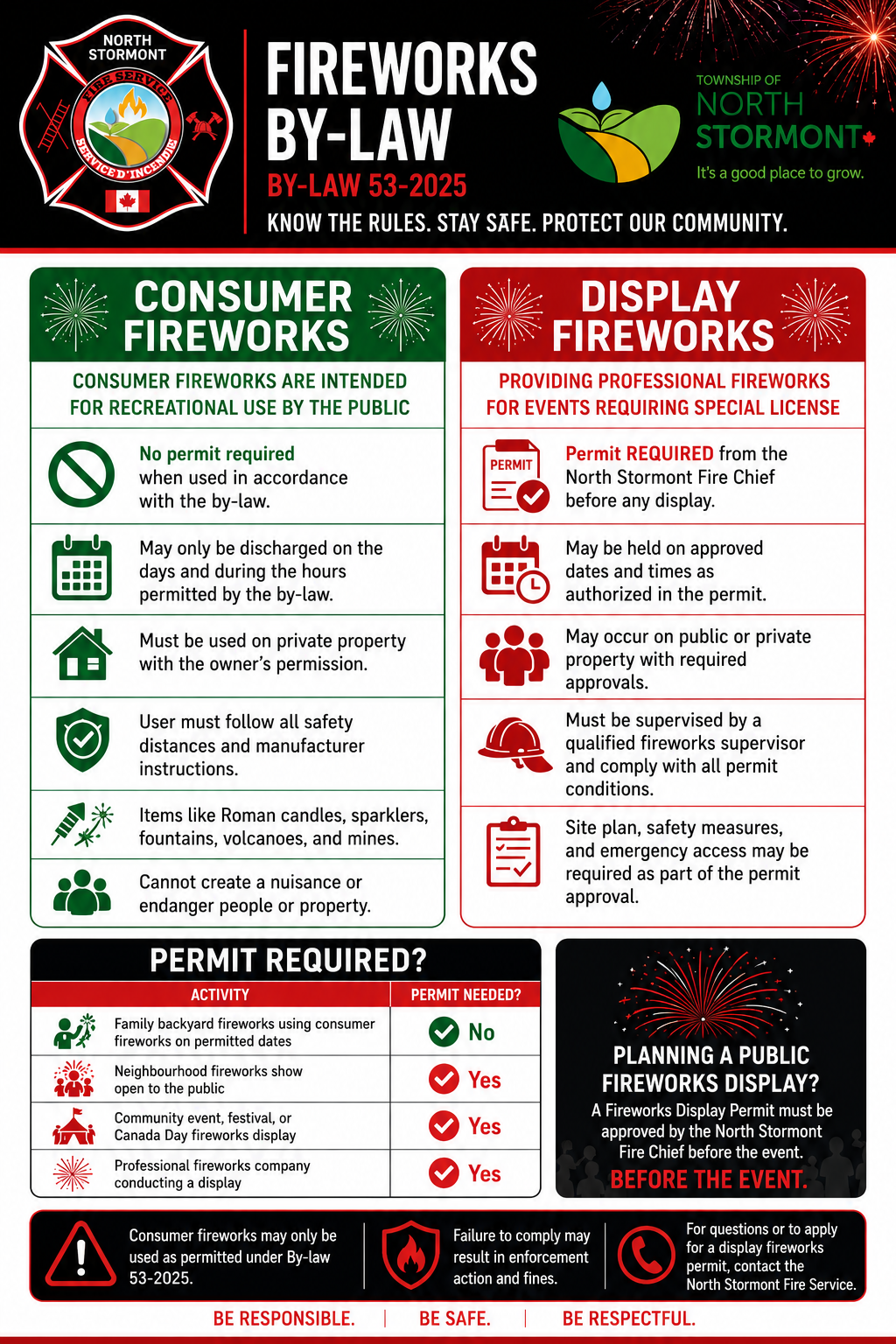
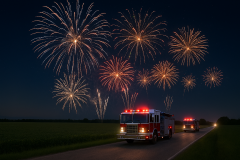
- To minimize the risk of fire and burn injury, the fire service does not recommend family fireworks or informal neighbourhood displays;
- The fire service recommends attending public fireworks displays hosted by your municipality or other responsible organization;
- If you still choose to have a family fireworks or informal neighbourhood display, here are some important safety tips to follow:
- Appoint a responsible person to be in charge. Only adults who are aware of the hazards and essential safety precautions should handle and discharge fireworks.
- Carefully read and follow the label directions on fireworks packaging;
- Always keep a water hose or pail of water close by when discharging fireworks;
- Image
- Discharge fireworks well away from combustible materials like buildings, trees and dry grass;
- Keep onlookers a safe distance away, upwind from where fireworks are discharged;
- Light only one firework at a time and only when they are on the ground. Never try to light a firework in your hand or re-light dud fireworks. For dud fireworks, it is best to wait 30 minutes and soak them in a bucket of water. Dispose of them in a metal container;
- Discharge fireworks only if wind conditions do not create a safety hazard.
Keep sparklers away from children. Sparklers burn extremely hot and can ignite clothing, cause blindness and result in severe burns. As the sparkler wire remains hot for some minutes after burnout, immediately soak it in water to avoid injury; - If someone gets burned, run cool water over the wound for three to five minutes and seek medical attention, if necessary.
Follow the tips below to make sure everyone stays safe while celebrating Halloween:
Image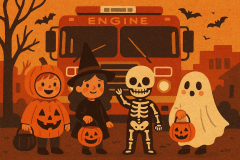
- Choose safer alternatives for lighting like battery-operated candles, flashlights, and glow sticks instead of candles in carved pumpkins and other Halloween decorations;
- Purchase labeled flame-resistant or flame-retardant costumes including wigs and props. When making costumes, choose materials that won’t easily ignite, avoid billowing or long-trailing features;
- Keep dried flowers, cornstalks and other decorations away from all open flames and heat sources, including light bulbs and heaters;
- Remember to keep exits clear of decorations to ensure nothing blocks your escape routes in the event of a fire.
If hosting a party for the “ghosts and goblins” in your home, be sure that everyone knows your home fire escape plan in the event of a fire, and a meeting place outside your home; - If children are going to Halloween parties at others’ homes, have them ask the host about their home fire escape plan so they can plan to get out safely in an emergency;
- Make sure that children know to “stop, drop and roll” if their clothing does catch fire.This means stoping immediately, droping to the ground, covering your face with your hands, and rolling over and over to extinguish flames;
- Provide children with lightweight battery-operated flashlights or glowsticks to carry for lighting or as part of their costume;
- Extension cords are for temporary use only. Use the right one as there are special extension cords rated for outdoor use;
- Never overload electrical outlets with too many plugs – use an approved power bar;
- If you must use candles, never leave them unattended and keep them well away from children, pets, and anything that can burn;
- Teach children their home address and phone number and how to call 911 or their local emergency number in case of an emergency.
Fire prevention tools for families and kids
Using positive reinforcement when teaching fire safety helps build good safety habits into the future. Present kids with this Sparky’s Fire Safety Club certificate for taking an active role in fire safety. Name and date fields are fillable for easy use.
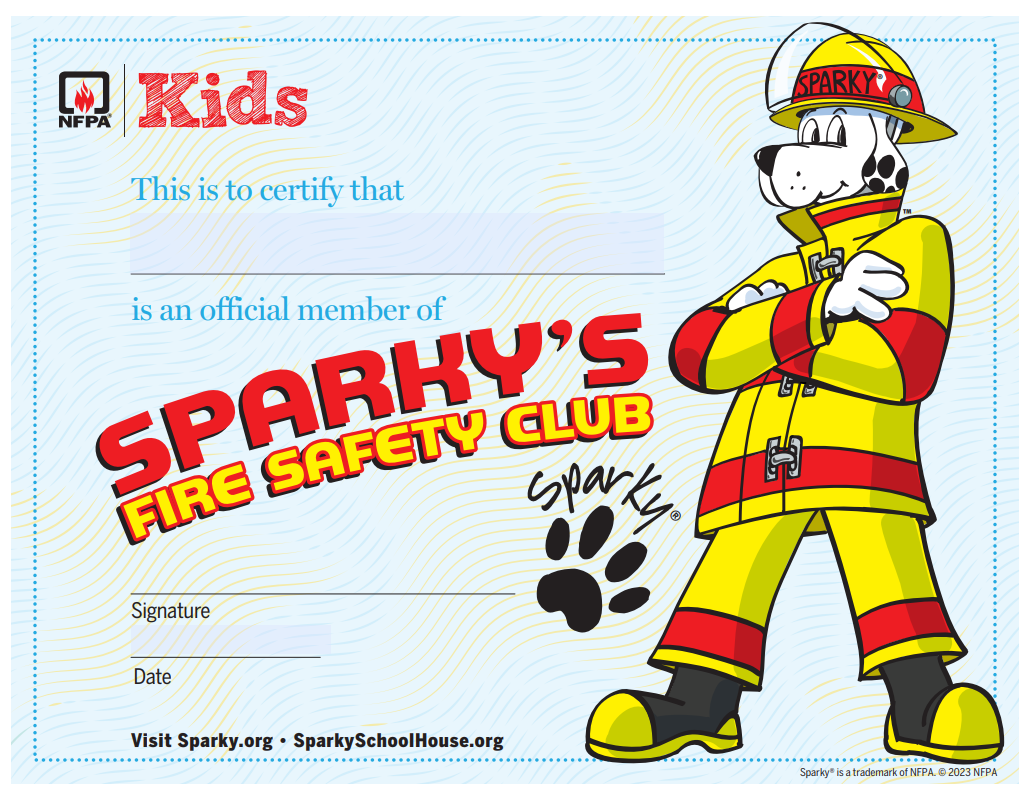
Ideas to achieve the certificate: Have students complete the I SPY Fire Safety Checklist or create and practice a home fire escape plan available through the Sparky School House
Visit Sparky's web page with your children to take the Fire Safety Pledge, watch fire prevention videos, play games and discover resources to keep your family safe. Visit: https://sparky.org/
Click on the link below to listen to a firefighter from the Oakville Fire Department narrate the children's story book "No Dragons for Tea".